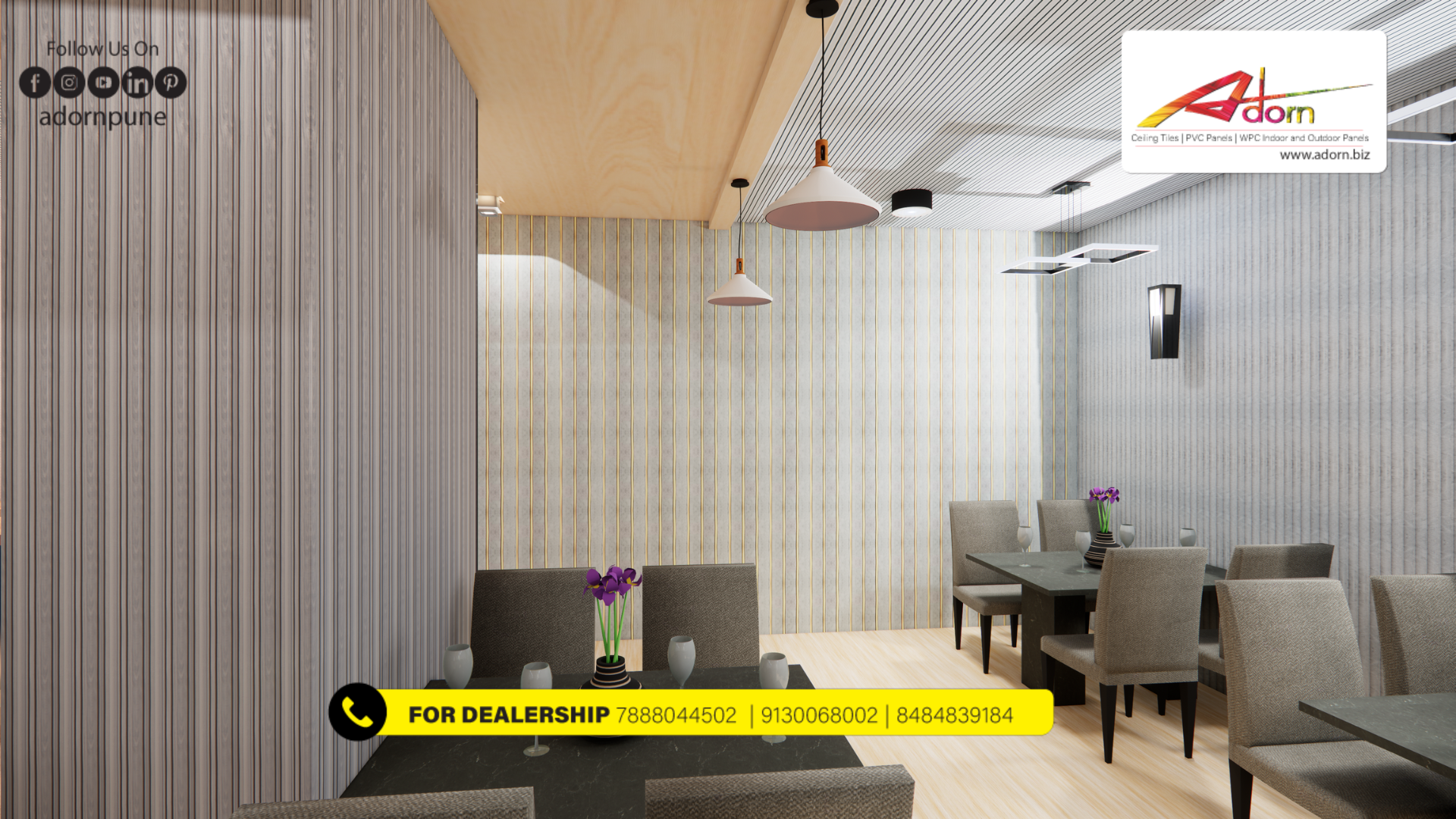
Premium Heavy WPC-PVC Indoor Panels
WPC vs. PVC Fluted Panels: Understanding the Differences.
When it comes to interior and exterior wall cladding, two popular options that often come into consideration are WPC (Wood Plastic Composite) fluted panels and PVC (Polyvinyl Chloride) fluted panels. Both have gained popularity for their unique features and applications in various construction and design projects. In this article, we will delve into the key differences between WPC and PVC fluted panels to help you make an informed choice for your next project.
What Are WPC Fluted Panels?
WPC (Wood Plastic Composite) fluted panels are engineered materials made from a combination of wood fibers, thermoplastics, and additives. This mixture creates a versatile material that offers the aesthetic appeal of wood with the durability and low maintenance characteristics of plastic. WPC panels typically consist of 70% wood fibers and 30% thermoplastic resin.
Key Features of WPC Fluted Panels:
Natural Aesthetics: WPC panels mimic the look and feel of real wood, making them an excellent choice for projects where a natural appearance is desired.
Durability: They are resistant to rot, decay, and pests, which are common issues with traditional wooden materials.
Low Maintenance: WPC panels do not require frequent painting, sealing, or staining, reducing long-term maintenance costs.
Eco-Friendly: They use recycled materials, making them a sustainable choice for environmentally conscious projects.
Versatility: WPC panels can be used both indoors and outdoors for various applications, including wall cladding, decking, and fencing.
What Are PVC Fluted Panels?
PVC (Polyvinyl Chloride) fluted panels, on the other hand, are made from a synthetic plastic polymer. PVC is renowned for its durability and versatility, making it a popular choice for a wide range of applications.
Key Features of PVC Fluted Panels:
Waterproof: PVC panels are inherently waterproof, making them ideal for areas prone to moisture or humidity, such as bathrooms and kitchens.
Low Maintenance: They are easy to clean and require minimal maintenance, usually just a wipe-down with a damp cloth.
Chemical Resistance: PVC is highly resistant to chemicals, making it suitable for environments where exposure to corrosive substances is a concern.
Lightweight: PVC is a lightweight material, which can simplify installation, especially for ceiling and wall applications.
Variety of Colors: PVC panels come in a wide range of colors and finishes, allowing for creative design possibilities.
Key Differences Between WPC and PVC Fluted Panels:
Maintenance:
WPC: Requires less maintenance than traditional wood but may need occasional sealing or staining, especially in outdoor applications.
PVC: Virtually maintenance-free, needing only occasional cleaning with a damp cloth.
Weight:
WPC: Slightly heavier than PVC due to its wood fiber content.
PVC: Lightweight, making it easier to handle and install.
Environmental Impact:
WPC: Considered more environmentally friendly than traditional wood due to its use of recycled materials.
PVC: While it can be recycled, the production of PVC involves chemical processes that can have environmental implications.
Choosing the Right Fluted Panel for Your Project:
The choice between WPC and PVC fluted panels ultimately depends on your project’s specific requirements and design preferences. Here are some guidelines to help you decide:
For a Natural Look: If you want the warmth and charm of real wood without the maintenance hassles, WPC panels are a great choice. They work well in outdoor decking and wall cladding projects.
For Wet Environments: In areas exposed to moisture, such as bathrooms or kitchens, PVC panels are the better option due to their waterproof nature.
For Modern Aesthetics: If you’re aiming for a contemporary and sleek design, PVC panels offer a wide range of colors and finishes to complement your vision.
For Low Maintenance: Both WPC and PVC panels are good options for minimal maintenance requirements. They are easy to clean and ideal for busy or commercial spaces.
In conclusion, both WPC and PVC fluted panels have their distinct advantages and applications. Carefully assess your project’s needs, budget, and design preferences to make the right choice for your wall cladding or interior design project.
Article Source: hosungdeck